
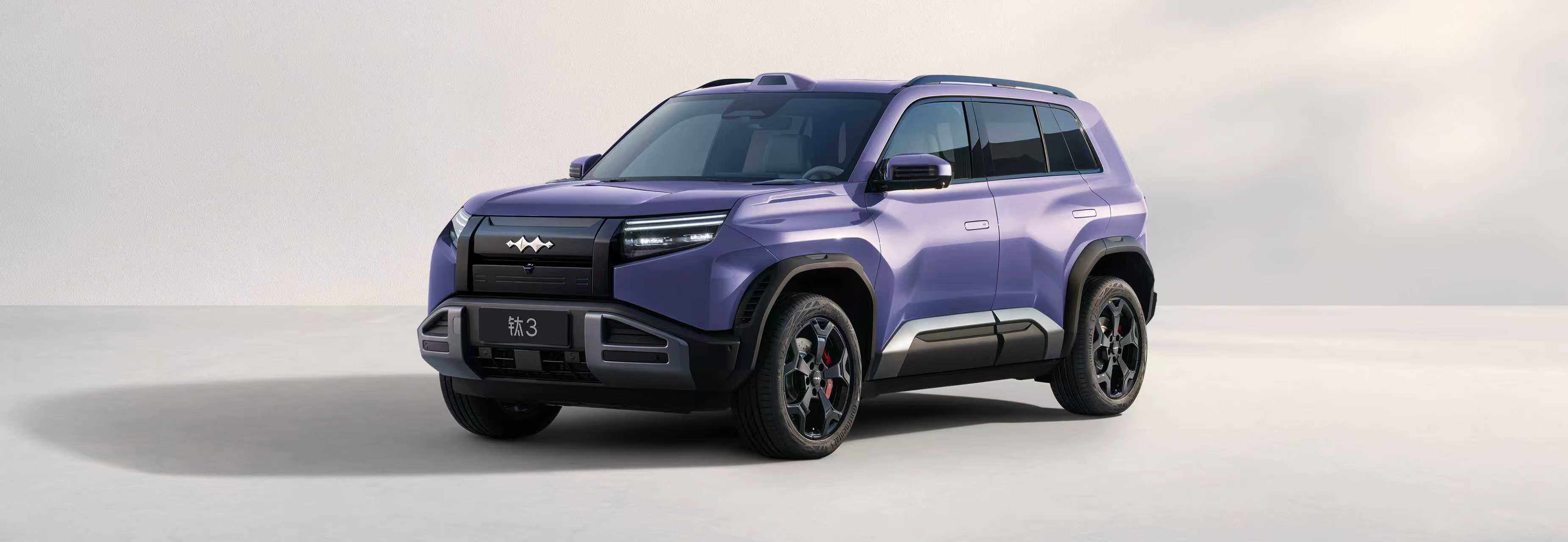
Confirm the production configuration first
Match the VIN, version, build date and available factory configuration evidence. Keep the seller’s translated trim name as a claim until it is reconciled with the record. The RWD versus AWD comparison explains the purchase choice; this inspection checks whether the candidate actually matches it. A dashboard drive-mode menu or exterior sticker is insufficient on its own. Ask about replacement drive components or control modules, and require their documentation to remain connected to the same vehicle.
Identify installed components without unsafe access
Have a qualified workshop inspect the accessible drive hardware and identification information using suitable lifting and safety procedures. The buyer should not go beneath an unsupported vehicle or open high-voltage equipment. Record any discrepancy between build information, physical components and diagnostic identification. A component replacement is not automatically unacceptable, but unexplained identification differences require resolution. Include the reason for replacement, parts identity and any associated programming or commissioning evidence in the file.
Define diagnostic coverage before accepting a scan
Ask which relevant control systems the equipment can read and whether the report includes stored faults and available event context. A scanner that only shows a general dashboard status may not provide sufficient coverage. Retain a before-repair record and any qualified interpretation rather than requesting faults to be cleared for a clean handover. The absence of a displayed code does not certify every mechanical component, and an isolated historical code should not be diagnosed without its context.
Review tyres and the loaded road-test setup
Check tyre size, specification, wear and pressure under the applicable guidance. Uneven or mismatched tyres can complicate handling and noise assessment, so note their condition before evaluating the drive system. Follow the Tai 3 tyre and TPMS guide for the related evidence. Record passenger load and test conditions. Do not ask the driver to perform aggressive launches or loss-of-traction manoeuvres as proof of AWD operation; safe, qualified testing should follow the relevant procedure.
Distinguish drive noise from other causes
A repeatable sound may relate to tyres, bearings, brakes, trim or drive components. Record speed range, road surface, acceleration or coasting state and whether the symptom changes after normal warming. Do not label every EV whine a fault, or dismiss a new grinding sound as normal electric behaviour. A competent technician should narrow the source. Require a written conclusion and any recommended further test, rather than using an edited cabin video as the complete diagnosis.
Review repairs in the context of support
If a drive component has been repaired or replaced, confirm applicable parts, procedure and post-work testing. Identify a destination workshop capable of supporting the configuration before the car is bought. A lower purchase price may not offset a long delay for an unidentified part. Warranty eligibility is a separate question and should be verified with the responsible provider. Do not represent a seller’s informal promise to send parts as equivalent to an enforceable regional warranty arrangement.
Set acceptance around evidence, not performance theatre
A useful acceptance file states the confirmed configuration, diagnostic scope, physical findings, road-test observations and unresolved items. Make important uncertainties a condition of further inspection, repair and retest, or rejection. New vehicles need specification and pre-delivery verification; used ones also need coherent history. The strongest buying decision comes from matching records and repeatable findings, not from a dramatic video on loose ground that neither identifies the hardware nor demonstrates its long-term condition.
Example: the scanner cannot read a relevant module
A general report with no faults may simply have limited coverage. Ask the workshop to state the unread systems and arrange appropriate equipment before accepting the result as a complete drivetrain check. Keep that limitation visible in the file. Paying for a properly scoped second assessment can be more useful than repeating the same incomplete scan and interpreting identical output as independent confirmation of condition.
Buyer checklist
- Reconcile VIN, build configuration and installed hardware.
- Confirm diagnostic coverage and retain fault context.
- Record tyres and safe road-test conditions.
- Require repair identity and post-repair evidence.
Questions and answers
Does a terrain-mode screen prove AWD hardware?
No. Confirm the production configuration and installed systems. Software presentation is not sufficient physical evidence.
Is wheelspin a suitable buyer test?
No. Do not provoke loss of traction. Use qualified inspection and the appropriate safe test procedure for the actual vehicle.
Reference information
Use the applicable market and year documentation for equipment and operating limits. The references have their own market and publication scope; they do not establish the condition, fitted equipment or destination approval of an individual vehicle.
Continue with the Tai 3 common buying risks, or send your vehicle requirements.