
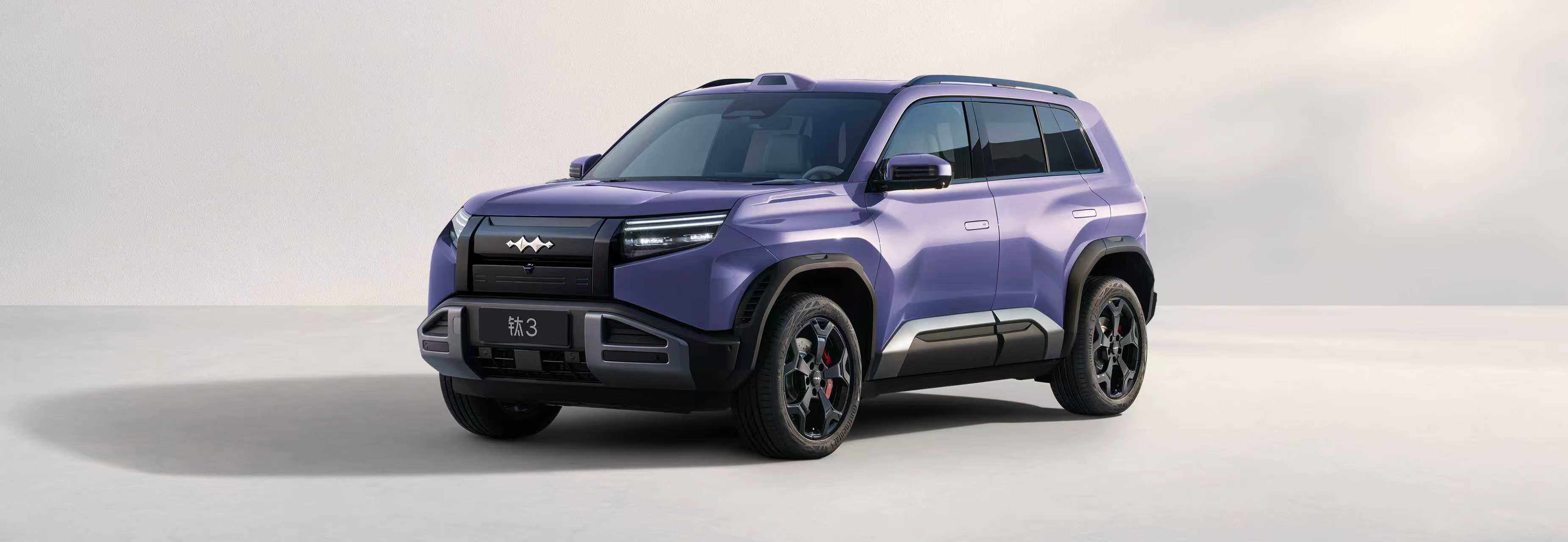
Keep the latest product page separate from an older candidate
Fangchengbao’s current product material distinguishes a Tai 3 Flash Charging edition. That establishes a reason to check versions, not proof that an earlier listing contains the same equipment. Save the reference date and original edition wording. Ask the seller for the factory vehicle record, VIN, production date and original sales description. Registration year, a translated trim name or a similar body colour cannot independently establish the electrical version. A new advertisement can supersede a catalogue while the used car remains unchanged.
Create one identity row for each vehicle
Record legal model, production date, original market, drivetrain, battery identifier, charge-inlet photographs and fitted equipment. Keep seller statements in a separate column from independently checked records. Use the Tai 3 naming and identity route when Tai 3, Ti3, Titanium 3 or a preview-era name appears. None of those search terms proves a charging edition. A blank field is an open question, not permission to use the best figure available from another car. Compare candidates only after each row describes its own hardware.
Verify battery and charging hardware without opening the pack
Request original documentation and readable accessible labels, using qualified assistance where access is restricted. Do not dismantle a high-voltage assembly to settle an advertisement dispute. Match battery identification and relevant charging equipment to the manufacturer record for that edition. Keep any later replacement or repair history visible. An edition badge or altered exterior part does not prove a factory electrical configuration. Where documentation and physical identification disagree, pause approval until a competent source explains the difference and records which specification applies.
Read advertised charging conditions before comparing times
Any advertised charging interval needs its state-of-charge boundary, equipment assumptions and operating conditions. Do not turn a manufacturer demonstration into a guaranteed destination stop time. Check installed connector and network fit through the Tai 3 charging compatibility guide, then use the controlled charging-session assessment for temperature, charger capability, warnings and the complete session. A faster-rated station cannot establish that an unidentified older car has the later hardware, and an adapter is not automatically a compatibility solution.
Separate range labels from charging suitability
Attach every published range to its market, edition and test cycle before comparing it with a used candidate. A larger headline does not establish reserve on your route. Record speed pattern, climate, load and reliable charger spacing, then plan an ordinary journey and a difficult one. Keep battery condition separate from nominal specification. A correctly identified charging edition can still be unsuitable where compatible infrastructure or qualified repair support is absent. The buyer needs a workable energy plan, not only an attractive charging headline.
Compare delivered value on the same boundary
For each candidate, list verified version, mileage, condition findings, included cables, destination charging fit, support limitations and complete delivered cost. Do not combine an earlier car’s low quotation with a later edition’s advertised performance. A conventional earlier version may meet a predictable use case, while another buyer may value different hardware. Compare those choices honestly. Add an allowance for unresolved repairs or access questions rather than assuming a new name removes them. Keep the price’s currency, validity and delivery point explicit.
A useful response to an ambiguous Flash Charging listing
Suppose a seller supplies a new product-page screenshot but no vehicle record. Request the VIN and factory edition evidence before treating the advertisement as a specific offer. If the car is only a sourcing possibility, label it that way and do not schedule shipment from it. When another VIN is proposed, rebuild the identity row. If labels or original records identify an earlier version, remove the unsupported later claim from the quotation rather than accepting a cosmetic explanation. The seller can still quote that earlier car, but its value must be based on its own specification.
Carry the verified edition into the contract and handover
Name the exact VIN and original edition in the quotation, inspection brief and accepted equipment list. Attach dated reference material and unresolved conditions. Recheck any replacement battery, changed vehicle or new charging claim before payment. At loading, preserve the battery identification evidence, inlet photographs, cables and accepted warnings with the vehicle file. The destination workshop should be able to identify what arrived without reconstructing the sales conversation. This closes version selection; it does not guarantee future software, warranty coverage or identical charging behaviour in every climate.
Buyer checklist
- Original production edition recorded
- VIN and accessible labels agree
- Current catalogue kept as dated context
- Charging conditions and inlet verified
- Earlier and later claims not mixed
- Quotation names the accepted car
Buyer questions
Does a current Flash Charging advertisement identify an older Tai 3?
No. Use the original edition record, VIN and actual hardware to establish which specification applies.
Is this a charging-speed test?
No. It identifies the edition first. Charging performance requires a separate controlled session with recorded conditions.
Manufacturer references
Fangchengbao China-market Tai 3 configuration notes ↗Fangchengbao current Tai 3 product information ↗Continue with the specifications guide and fast charging thermal management checks.