
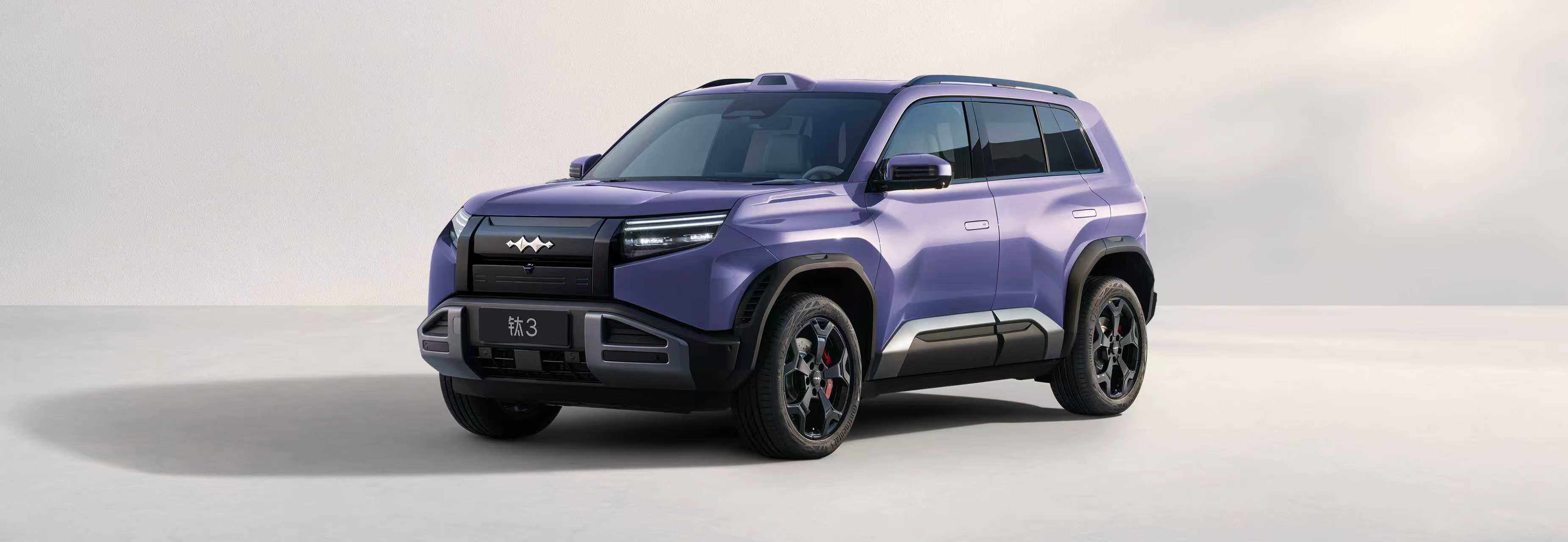
Establish the reason for replacement
Request the invoice, repair date, mileage, glass part number and stated reason for the work. Match the documents to the selected VIN and original equipment. Compare the explanation with body condition and any lawful history records available to the buyer. A different glass date does not by itself establish collision severity, while matching dates do not exclude repair. Keep an unexplained gap visible rather than translating it into either a clean history or a major accident diagnosis. The investigation should answer what happened and what still needs checking.
Match the glass to the fitted equipment
Identify the actual camera, mirror mount, rain sensor and other relevant equipment on this production edition. Ask competent parts support to confirm the replacement glass and mounting provisions are suitable for that combination. A panel that fits the opening is not necessarily the correct sensor-compatible part. Record readable markings and photographs around the camera area. Do not transfer another Tai 3 trim’s equipment list to the candidate. Missing documentation requires an assessment, not a confident claim that every edition uses identical glass and brackets.
Inspect visibility, fit and sealing as separate questions
View the glass from the intended driving position for distortion, significant damage or obstruction. Inspect accessible trim, seal continuity, surrounding paint, installation residue and evidence of moisture. Qualified personnel should decide whether a controlled leak assessment or further access is appropriate. Do not disturb restraint components or improvise disassembly during a buyer check. A freshly cleaned headliner can hide earlier staining; an isolated stain still needs context. Record the observations and limitations so appearance is not mistaken for a complete installation-quality verdict.
Request the applicable calibration decision
Ask a qualified workshop what the fitted system and repair procedure require after this glass replacement. When calibration is required, obtain a vehicle-specific record identifying the equipment, method, date, conditions and result. Continue with the DiPilot calibration and sensor guide for the wider mounting, diagnostic and alignment questions. A generic certificate without the VIN and relevant procedure cannot settle the matter. Conversely, do not invent a universal calibration method for every edition. The requirement should come from the applicable repair instruction.
Use safe observations rather than staged emergency tests
Preserve warning and diagnostic history before clearing anything. Normal operation on an appropriate legal route can support the file, but it is not a substitute for correct parts and procedure. Do not provoke an emergency-braking event or deliberately enter unsafe traffic situations to prove an assistance function. Driver assistance has operating limits and does not remove driver responsibility. Record unavailable checks, weather and visibility constraints. One successful observation cannot demonstrate every road condition or establish that connected assistance features remain supported after export.
Widen the inspection when another repair is involved
If replacement glass accompanies pillar work, roof damage, restraint replacement, persistent moisture or altered wiring, follow the accident and water-damage evidence route. Keep those findings together rather than accepting a separate cosmetic explanation for each part. Check whether related body, bumper, tyre or suspension work changes the assistance-system investigation. Obtain a written scope for corrective work and repeat relevant tests after repair. A discounted price does not resolve an unknown cause, undocumented calibration or active leak.
When the seller has no installation invoice
Photograph the visible part identification and mounting area, then ask a competent glass or vehicle workshop to assess fit, visibility, sealing and camera requirements. Record that this assessment cannot reconstruct every missing historical fact. Compare the cost and remaining uncertainty with a better-documented alternative candidate. Agree who investigates, which result is required and whether the buyer may reject the car. Refusing reasonable access or relying only on the absence of a warning lamp leaves the repair unresolved, even when the replacement looks new.
Check destination parts and preserve a loading baseline
Before import, ask whether a destination provider can source matching glass, install it correctly and perform the applicable calibration on this version. Obtain current quotations rather than inventing a universal price or lead time. At loading, record chips, cracks, warnings, trim condition and accepted leak findings. Preserve the repair report and photographs with the inspection file. After arrival, compare condition and investigate changed symptoms promptly through competent support. This distinguishes an accepted earlier repair from damage or moisture exposure during transport without assuming either cause in advance.
Buyer checklist
- Repair reason and VIN match
- Glass and sensor equipment identified
- Visibility and sealing assessed
- Applicable calibration decision recorded
- Related damage reviewed together
- Destination support and loading baseline documented
Buyer questions
Does replaced glass prove a collision?
No. Review the repair reason and associated evidence; the glass alone cannot establish collision severity.
Is no warning lamp enough to approve a camera repair?
No. Correct hardware, the applicable procedure and documented results are separate evidence requirements.
Manufacturer references
Fangchengbao China-market Tai 3 configuration notes ↗Fangchengbao current Tai 3 product information ↗Continue with the adas dipilot calibration guide and accident flood repair checks checks.