
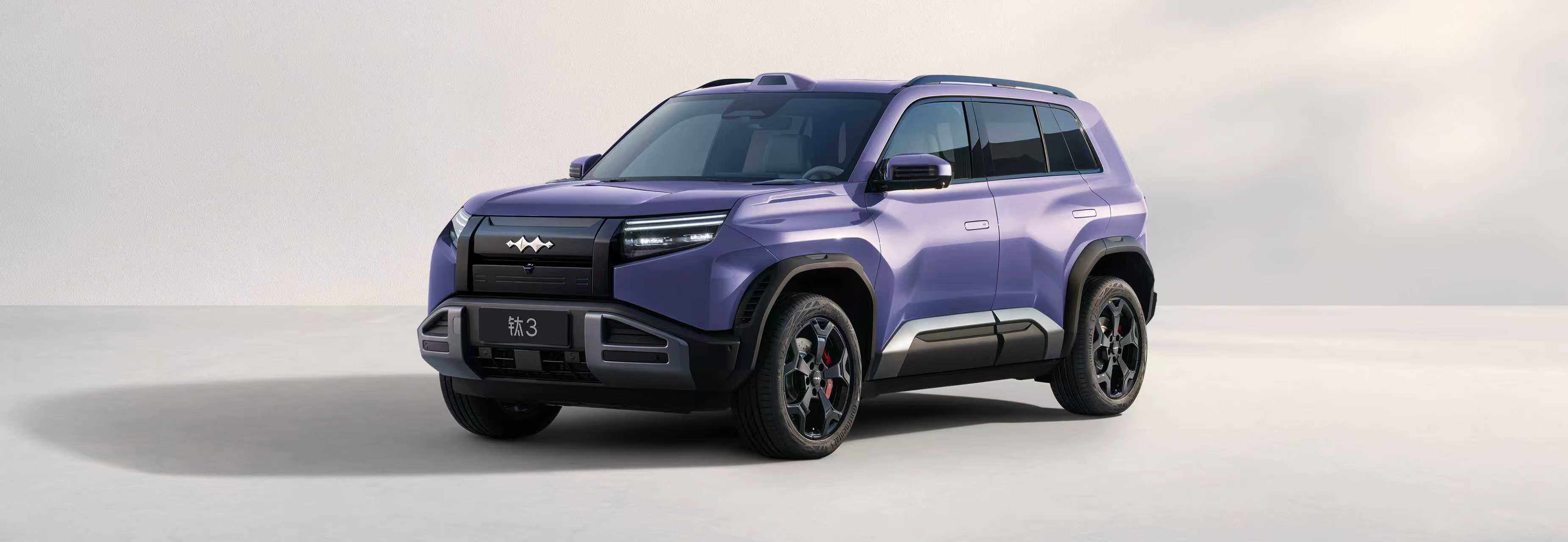
Reconcile demonstrator status with the actual transaction
Ask what demonstrator means for this VIN: display only, customer drives, staff operation, events or another defined use. Retain original sale and registration status where relevant. The new-versus-used guide separates prior-use evidence from configuration and delivery checks. A car can look unused while having storage or event history; a demonstrator label also does not prove abuse. Record which facts are seller-stated and which have dated independent support. Do not approve export documents or a coverage start date from an advertisement category. The buyer needs the selected car’s identity and authorised-sale record, with unresolved questions stated openly before its asking amount is compared with another offer.
Understand what demonstrations involved
Request meaningful chronology for road trials, outdoor events, charging displays, equipment use and periods of storage. Reconcile dated distance and relevant work instead of assuming one type of duty from the word demo. The water and ingress review is relevant where actual events or observations justify it; marketing imagery alone is not a technical conclusion. Ask whether roof, rear-box or other equipment was installed or removed. A launch display and repeated customer driving raise different questions. Retain unavailable records rather than inventing a clean history, and focus on events that could change present assessment or essential receiving support instead of collecting irrelevant promotional material.
Inspect condition independently from reputation
Arrange suitable whole-vehicle inspection including chassis, underbody, cabin, diagnostics and affected equipment. Request relevant battery findings with the actual pack and assessment limits. A demonstrator’s frequent public appearance cannot certify its condition. The suspension and braking road-test file can organise safe observations without approving components from a short drive. Conversely, more drivers or distance are not automatic proof of damage. Compare actual observations, records and qualified follow-up on both cars. A low-price assessed demonstrator should not be measured against an uninspected alternative whose condition is assumed perfect simply because its seller uses the word new or private.
Reconcile removed display equipment and supplied items
Request the final list of keys, charging items, roadside equipment and retained accessories. Use the modified-versus-factory purchase review where additions affect comparison. A photograph from an event may show equipment that is no longer included. Removal may require appropriate restoration or system checks, so ask for suitable completion evidence rather than crediting a promise that the vehicle will be standard. Review relevant software and regional access independently of a functioning domestic showroom demonstration. Do not value borrowed accounts as transferable services. The accepted amount should describe the vehicle delivered to the next owner, not the most attractive display arrangement it carried at an earlier time.
Calculate the saving after supported preparation
Use the price worksheet for assessment, defined correction, missing included items and the same delivery boundary. Request exact receiving-service estimates through the maintenance-parts route. Policy eligibility belongs in the overseas support review, not an assumption that demonstrator status supplies full transferable coverage. Compare actual dated alternatives and account for preparation once. Do not guarantee resale or assign an automatic demonstrator discount. If a material symptom remains unbounded, resolve diagnosis rather than applying a large generic reserve that makes the amount appear comparable while leaving the essential outcome unknown. The useful saving is what survives appropriate work and a coherent ownership route.
Accept the individual file and the remaining limits
Choose the demonstrator when credible status, relevant chronology and qualified present findings justify its prepared price. Hold a specific record or targeted assessment when it can settle a consequential question. Decline an essential unresolved issue instead of accepting it solely because the dealer offers a discount. Preserve final equipment and work in the purchase schedule, then reconcile changes through pre-shipment reinspection. Another demonstrator from the same fleet needs its own relevant review. The result should explain this car’s supported value, not claim that every demonstration vehicle is either a bargain or a damaged example based on appearance, low distance or a shared seller.
Compare the acceptance conditions
- Prepared saving is useful
- Individual status, duty and current assessment support an acceptable complete offer.
- Recover consequential evidence
- A named record or qualified follow-up can resolve a material question.
- Do not buy the label
- Unbounded condition or unavailable essential support defeats the apparent discount.
Buyer evidence checklist
- Individual status and authorised sale
- Relevant demonstration chronology
- Equivalent pack and chassis assessment
- Final equipment and restoration
- Complete saving and coverage answer
Questions before you buy
Does low distance prove light demonstrator use?
No. Reconcile the actual duty and current observations; distance does not describe every event or storage condition.
Is dealer presentation a substitute for independent checks?
No. Keep seller statements separate from appropriate VIN-linked condition and support evidence.