
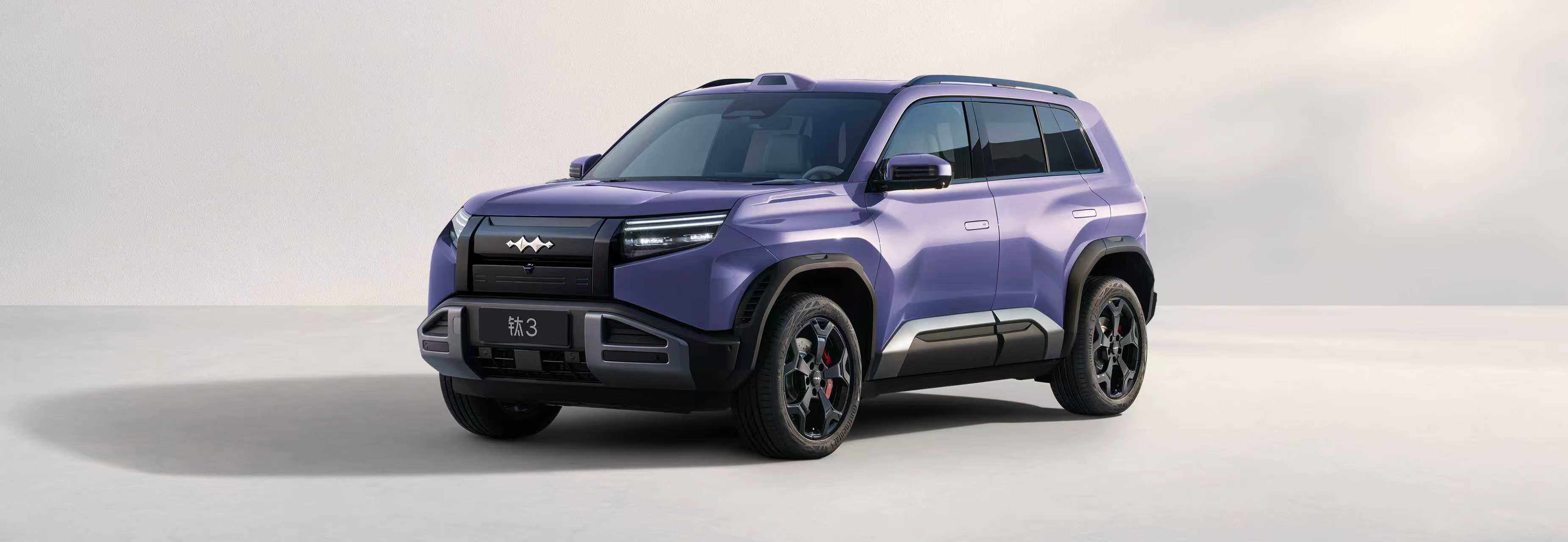
Identify what will remain on the car
Confirm the VIN, production edition, wheels, roof equipment, rear accessories and any aftermarket changes. Photograph the accepted configuration and distinguish supplied loose equipment from fitted hardware. Do not assume an accessory can simply be removed to meet a height limit. Review the applicable equipment instructions and competent installation advice before proposing changes. Record which items the buyer expects to retain in normal use. A clearance assessment for an empty standard vehicle is not the same as one for a fully equipped destination car.
Measure the narrowest part of the destination route
Record the garage entrance, lowered doors, internal beams, pipes, barriers, ramps, tight corners and the intended bay. Use reliable measurements with units and identify where each was taken. A sign at the entrance may not describe every internal obstruction. Ask the property operator about restrictions and obtain competent help when access is difficult. Keep uncertain dimensions visible rather than treating a photograph as a scale drawing. The car’s stated width or height is only one part of the comparison.
Keep roof limits and actual overall height separate
Measure the highest fitted point in the configuration that will arrive, using a suitable safe method. Include roof equipment and any load that is genuinely planned. Check the roof and drone-edition equipment restrictions before assuming a standard carrier can occupy the same space. Dynamic movement, an uneven surface and measurement uncertainty require a practical margin chosen for the actual situation. This guide does not set a universal clearance allowance or approve an undocumented modification to reduce height.
Check width, mirrors, steering and door openings
Compare the vehicle with the narrowest passage in the mirror configuration needed to drive safely. Allow space for alignment, turning and the actual occupants to enter or leave after parking. Folding a mirror is not a complete answer when visibility or access is compromised. Test both driver and passenger doors, especially beside columns or another vehicle. Record the intended parking orientation and whether the vehicle can be positioned without repeated unsafe manoeuvres. A body-width figure does not describe the full operational envelope.
Treat ramps as a separate underside-clearance question
For steep changes in slope, identify the approach path, ramp crest, surface condition and loading state. A nominal ground-clearance value cannot guarantee that the vehicle or its lower protection will avoid contact. Do not stage a scrape test for a sales video. Seek a controlled assessment or competent advice when the route is marginal. Link any existing impact marks to the underbody and battery protection inspection. Correctly fitted tyres, suspension condition and the actual load belong in the assessment.
Make room for the frunk, tailgate and rear box
Measure the space required to open the intended compartments and remove the buyer’s actual luggage or equipment. The cargo and front-storage guide evaluates capacity; this check evaluates access after parking. A rear accessory box may affect useful length or the working area behind the car. Check overhead obstructions before opening any relevant lid or tailgate, following the vehicle instructions. Do not assume a successful fit with all panels shut means the driver can charge, unload or inspect the vehicle normally.
Consider the charger location and daily workflow
Locate the charging connection in the parked orientation, then assess cable reach, safe routing and access without creating a trip or pinch hazard. Keep charger and installation decisions with qualified electrical support. Think through arriving in rain, unloading luggage, helping a child into a restraint and leaving room for another car. The best orientation for a short body measurement may be poor for those tasks. A parking decision should work on an ordinary day, not only during a carefully positioned demonstration.
A useful decision when only a small margin remains
If measured height or manoeuvring space is close to the available boundary, recheck the measurements and accepted configuration before purchase. Ask for safe supervised evaluation where appropriate, or choose a less restrictive space or vehicle arrangement. Do not treat rounded brochure dimensions as precision engineering data. Record the remaining uncertainty and any operator restriction in the buyer brief. At loading and arrival, verify that the configuration has not changed. The outcome should be a practical accept, hold or reject decision for that parking location, not a universal claim that every Tai 3 fits.
Buyer checklist
- Actual fitted configuration recorded
- Route obstructions measured
- Roof restrictions and height checked
- Door and turning access assessed
- Ramp and underside risks separated
- Charging and unloading workflow tested
Buyer questions
Can body dimensions alone prove garage suitability?
No. Include accessories, obstructions, manoeuvring, panel opening and daily charging access.
Can the drone roof package always be removed for clearance?
Do not assume that. Verify the applicable edition instructions and equipment restrictions before planning a change.
Manufacturer references
Fangchengbao China-market Tai 3 configuration notes ↗Fangchengbao current Tai 3 product information ↗Continue with the tai3 roof equipment drone edition guide and cargo frunk checks.