
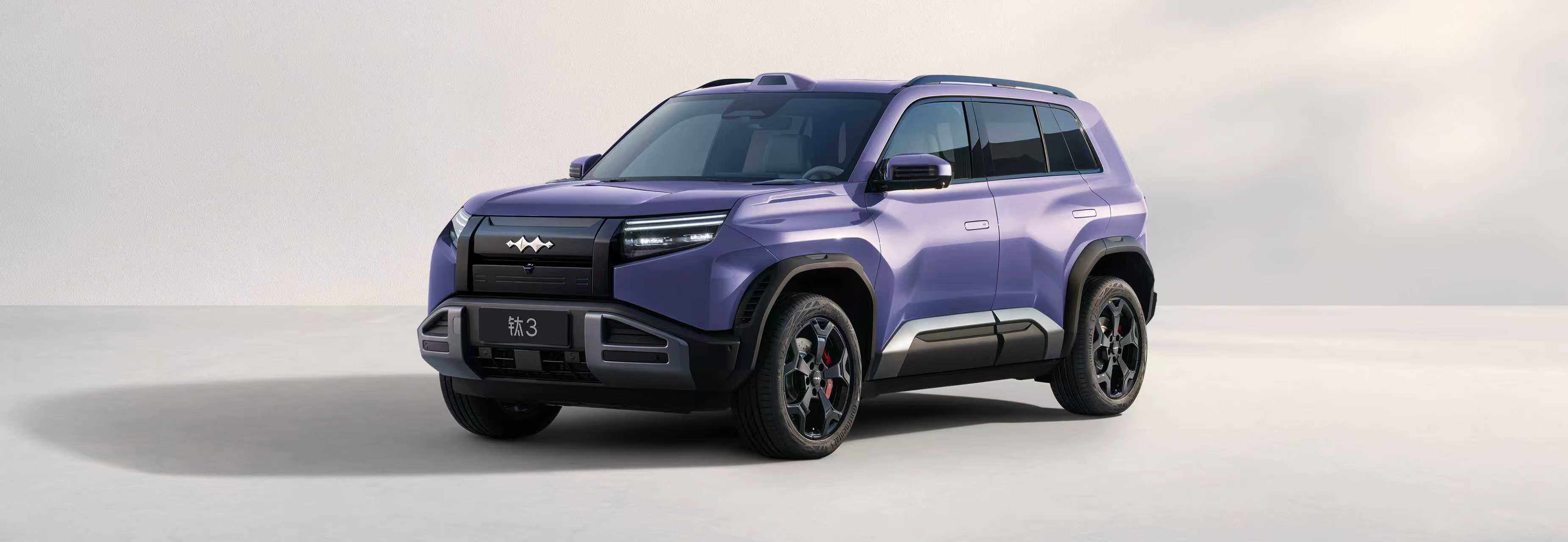
Name the problem that AWD would solve
Describe normal roads, gradients, surface conditions, seasons and the people or loads carried. Separate occasional preference from a requirement without which the vehicle cannot complete ordinary use. The city and trail use review helps frame the task without approving a route from appearance. AWD cannot substitute for suitable tyres, ground conditions, clearance or a safe decision not to proceed. Nor does it supply destination permission for towing or off-road operation. If the desired benefit is mainly visual, acknowledge that preference rather than presenting extra drive hardware as essential. Compare the complete car with the task, including a practical alternative route when conditions exceed its accepted capability.
Price two actual configurations rather than two badges
Use the RWD and AWD identification guide to reconcile original configuration, build information and the VIN. An updated edition may change battery or other equipment as well as drive layout. Retain flash-edition identification where relevant instead of borrowing its systems for an earlier offer. Ask which items cause the quotation difference and which are simply different production. The specification record must describe each candidate independently. A seller calling one car the strongest edition does not establish that all its fitted systems are suitable abroad or that the lower-priced car differs only by one motor. Keep missing identification open before making a numerical premium comparison.
Assess drive condition and usable traction together
Request appropriate AWD hardware and diagnostic evidence on the selected vehicle, with qualified scope and clear limitations. A normal dashboard or a staged climbing clip cannot certify every component. Use the chassis road-test guide alongside actual tyre condition and fitment. Poor or unsuitable tyres can undermine the intended operating arrangement independently of drive layout. If a consequential noise or warning remains unexplained, obtain targeted assessment before valuing the extra hardware. Compare both offers using equivalent inspection boundaries; do not place one tested AWD car beside a supposedly perfect rear-drive listing whose essential condition has never been examined.
Count the complete ownership consequences
Obtain applicable receiving-service answers through the maintenance and parts plan. Ask about the identified drive systems, procedures and availability rather than generic Fangchengbao support. Keep policy coverage separate from paid service capability. Normalise suitable tyres, essential preparation and included equipment through the price worksheet, assigning each cost only once. Do not promise that AWD always increases or decreases real energy expense; duty, fitment, configuration and conditions matter. The three-year ownership comparison can retain those assumptions. A larger acceptable purchase amount may be justified, but an unbounded repair question is not made safe by spreading a guessed allowance over several years.
Give preferences a separate spending limit
After mandatory use and support are resolved, the buyer can decide what additional capability or personal preference is worth. Record the maximum prepared premium rather than chasing every optional feature. Compare actual eligible quotations and equivalent delivery points, not an export asking price with a domestic retail promotion. An AWD candidate may also include useful cabin equipment; show that value separately instead of crediting the entire difference to traction. Conversely, a supported rear-drive offer should not be penalised for lacking capability the owner will not use. Avoid claiming that four-wheel drive guarantees resale demand or prevents incidents. The premium is a current buyer-specific choice, not a universal ranking of Tai 3 versions.
Accept the selected system without inheriting another car’s evidence
Proceed when the required advantage, qualified current findings and receiving support justify the complete adjusted amount. Hold a specific identity or technical question that can change the answer. Choose a coherent alternative when the route does not need the extra system or its material exposure remains unresolved. Preserve drive, battery and included equipment in the purchase schedule. If the proposed VIN changes, repeat affected review even when the seller supplies the same edition name. The decision should explain why this particular car fits this owner, while keeping traction, tyres, load, charging and practical operating limits visible rather than treating AWD as a blanket clearance for adventure use.
Compare the acceptance conditions
- Premium has a purpose
- Verified capability resolves recurring use with acceptable present findings and receiving support.
- Other configuration is sufficient
- Its supported ordinary tasks work without extra drive capability or unused equipment.
- Do not value the badge yet
- Identity, consequential diagnosis or actual route suitability remains open.
Buyer evidence checklist
- Recurring traction requirement
- VIN-linked drive and edition
- Equivalent qualified assessment
- Suitable tyres and exact support
- Prepared premium with separate preferences
Questions before you buy
Does AWD make every camping route suitable?
No. Consider actual conditions, tyres, loading, access and safe operating limits; the drive label does not approve a route.
Should all extra equipment be counted as an AWD premium?
No. Separate drive capability from battery, production and other fitted-equipment differences in actual quotations.